Sunscreen and skin cancer
Dangerous Sunscreen Mistakes — What You Need to Know
Understanding how sunscreen works is essential for protecting your skin from premature aging, sun damage, and skin cancer. These common misconceptions can leave you far less protected than you think.
“I don’t wear sunscreen because I need vitamin D.” Vitamin D is important, but your body produces what it needs with just 10–15 minutes of sun exposure. Skipping sunscreen exposes your skin to unnecessary UV damage, and most people don’t apply enough sunscreen to block vitamin D production anyway.
“One application lasts all day.” Sunscreen breaks down with time, sweat, heat, and UV exposure. For effective protection, it must be reapplied every two hours when you’re outdoors. A morning application cannot protect you through an entire day.
“I have dark skin, so I don’t need sunscreen.” Melanin offers some natural protection, but it does not prevent sun damage or skin cancer. In fact, skin cancer is often diagnosed later in darker skin tones, making it more dangerous. Everyone benefits from daily SPF.
“A base tan protects me.” A tan is your skin’s injury response to UV exposure. It signals that DNA damage has already occurred. A tan does not prevent further damage and does not replace sunscreen.
“I only need sunscreen on my face.” UV rays affect every exposed area — neck, chest, ears, hands, arms, legs, and feet. Skin cancer can develop anywhere the sun reaches. Full‑area protection is essential for both health and anti‑aging.
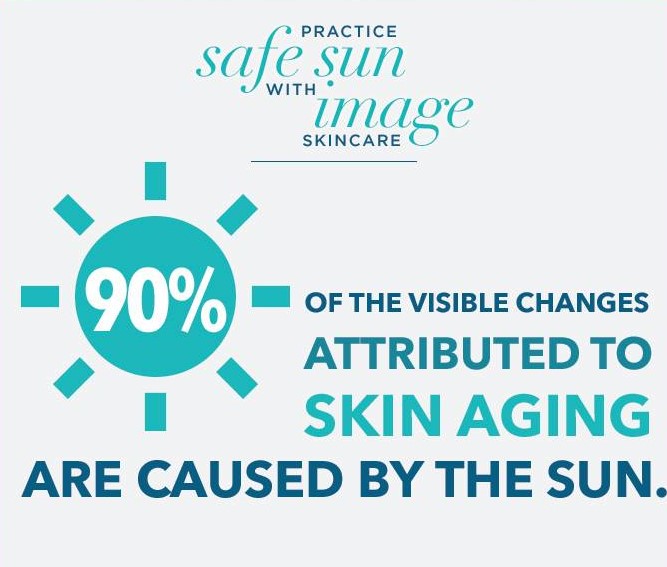
Why should we use sunscreen?
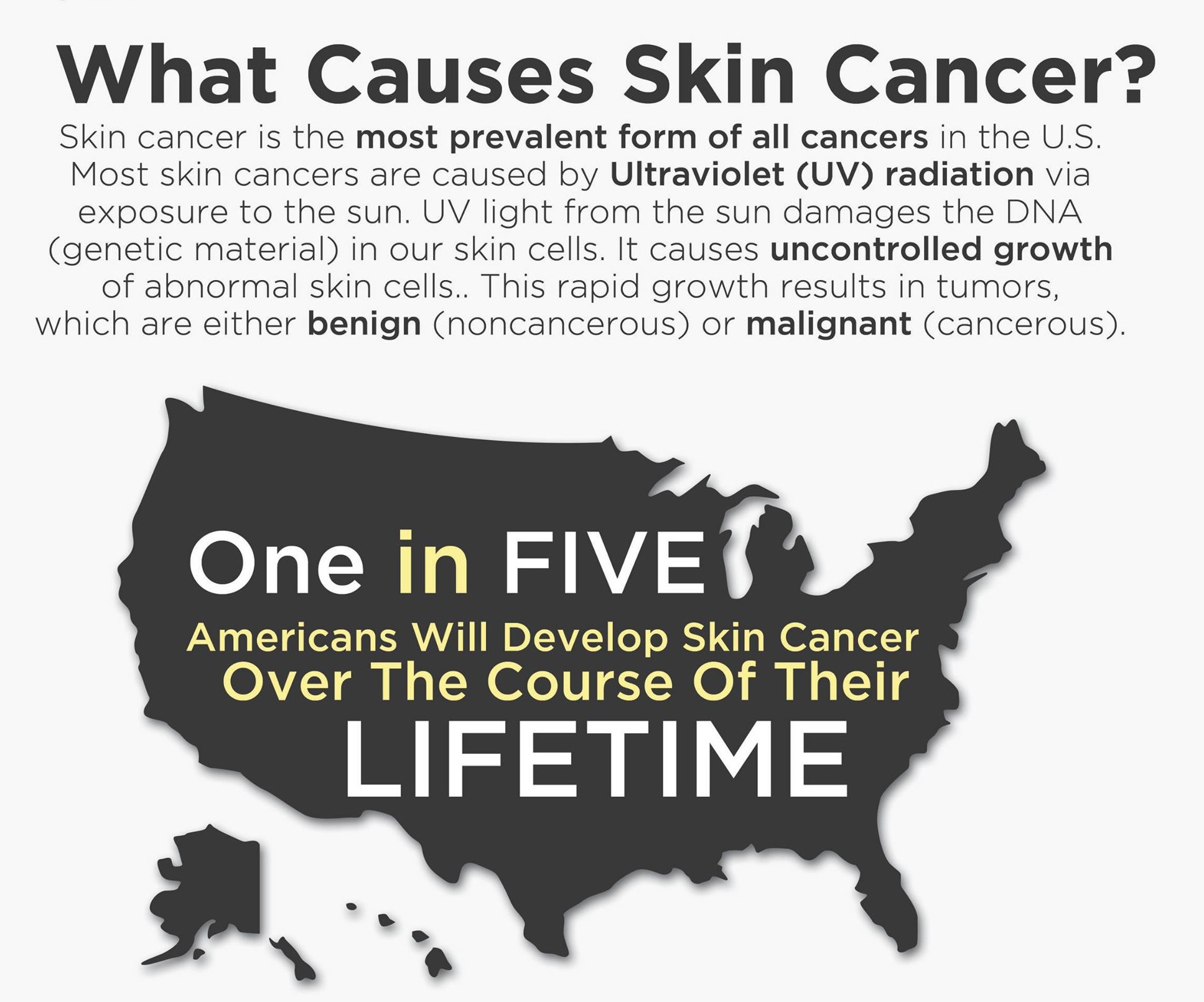
UV Radiation and Skin Cancer - UVA
By damaging the skin's cellular DNA, excessive UV radiation produces genetic mutations that can lead to skin cancer.
UVA rays account for up to 95% of the UV radiation reaching the Earth's surface. Although they are less intense than UVB, UVA rays are 30 to 50 times more prevalent. They are present with relatively equal intensity during all daylight hours throughout the year, and can penetrate clouds and glass. UVA, which penetrates the skin more deeply than UVB, has been known to play a major part in skin aging and wrinkling (photoaging). Studies show that UVA damages skin cells and contributes to and may even initiate the development of skin cancers. UVA is the dominant tanning ray, and we now know that tanning, whether outdoors or in a salon, causes cumulative damage over time. A tan results from injury to the skin's DNA; the skin darkens in an imperfect attempt to prevent further DNA damage. These imperfections, or mutations, can lead to skin cancer.
UV Radiation and Skin Cancer - UVB
UVB, the main cause of skin reddening and sunburn, have a tendency to damage the skin's more superficial epidermal layers. It has a major role in the development of skin cancer and a contributory role in tanning and photoaging. Its intensity varies by season, location, and time of day. The most significant amount of UVB hits the U.S. between 10 AM and 4 PM from April to October. But UVB rays can burn and damage your skin year-round, especially at high altitudes and on reflective surfaces such as snow or ice, which bounce back up to 80 percent of the rays so that they hit the skin twice. UVB rays do not significantly penetrate glass.
